 Nations Unies
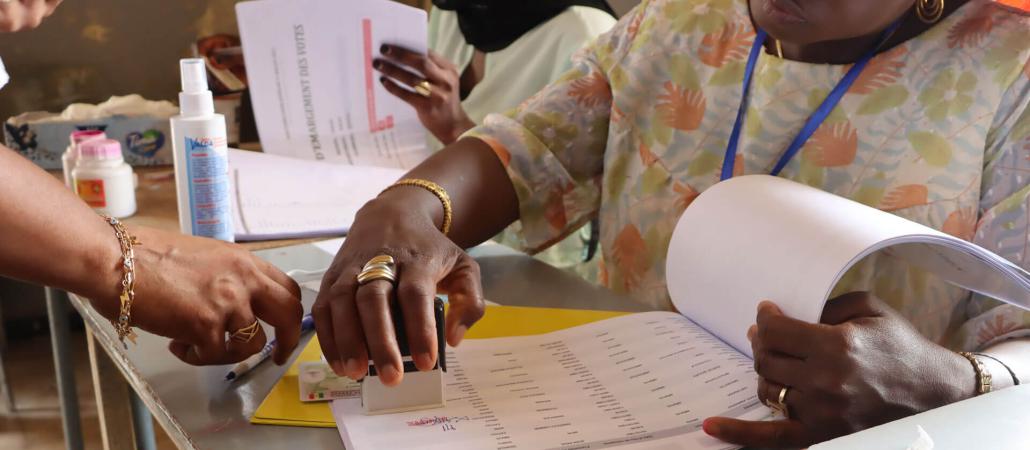
Widening the democratic space by increasing civil society participation in public life; in particular that of women and discriminated groups.
The majority of countries in West Africa have been committed for several years to a process of democratization and opening up spaces for civil liberties. These changes have helped develop and widen a dynamic public space in which citizens are free and can best express themselves.
Members of civil society have played an increasingly important role in the public sphere. Citizen participation, the monitoring of public policies and more demand for the accountability of state actors have been improved by strengthening civil society capacity; in particular by improving access to information and support in establishing platforms and national and regional networks.
In addition, increasing cooperation between governments and civil society stakeholders facilitates the implementation and monitoring of recommendations by human rights mechanisms. Despite all this progress, it should be noted that threats to these freedoms still exist; in particular that of the restriction of public liberties; notably in the context of the electoral process.
Objectives
All citizens; in particular, women and discriminated groups, increase their participation in public life at local and national level (for example in parliament and within local institutions) in the five (5) OHCHR/BRAO priority countries.
Members of civil society; in particular, youth and women increasingly advocate for their rights, demand them and protect themselves more effectively against reprisals; in particular, by the use of international human rights instruments and mechanisms.
National Human Rights Institutions (INDH) are established and operate in accordance with the Paris Principles in the five (5) OHCHR/BRAO priority countries.